








Solutions
The Car Buyer Asks AI First
Car buyers ask AI to compare models. How is AI visibility measured for automotive brands, and which questions matter?
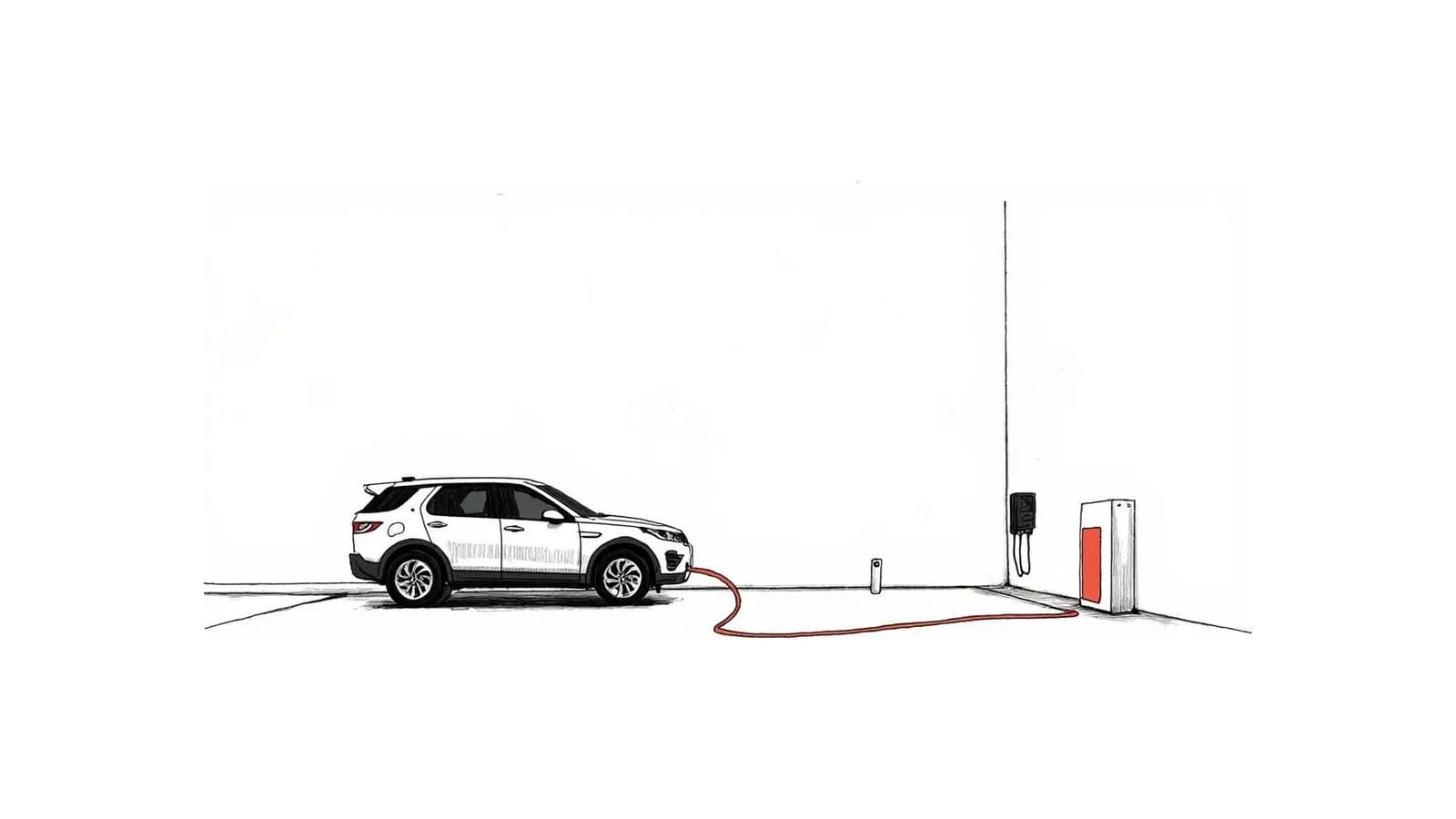
Buying a car is a long research process, and part of that research now happens in AI: questions such as "which SUV for a family" or "what is the difference between these two models" are answered with a short list of a few models. For an automotive brand the real question is in which segment, for what reason and with which price or equipment information it is on that list.
The kind of questions customers ask
- Which compact SUV is safest for a family?
- Which car uses the least fuel for city driving?
- Which brand holds its resale value best?
- Does it make sense to buy an electric car, and which models are there?
- Which car brand has the widest service network?
These are sample questions. Your question set is built together, for your brand and your customers.
How does a car buyer's question become an answer?
Buying a car takes weeks of research, and more of the early steps now happen in conversations with AI tools. A buyer describes their budget, their family and how they drive, and gets back a shortlist of three or four models. The list they carry into a showroom is shaped to a large degree by that answer.
Measurement in this sector has two sides. One is the segment questions in which a model is recommended: an SUV that appears in family questions but not in city-driving ones may reflect deliberate positioning, or a gap worth closing. The other is accuracy. Range, warranty terms and trim levels change from one model year to the next, and answers can carry outdated details for a long time.
What do we look at inside an answer?
Which compact SUV is safest for a family?
Three models stand out in safety testing. Brand A Compact earned five stars and comes with lane assist as standard; Brand B City is cheaper, though some safety features are kept for the upper trim; Brand C Road is popular with families for its large boot.
Reasoning: Brand A is recommended for its crash rating, Brand C for its boot. The reason your brand is given shows whether the answer matches your positioning.
Accuracy: the line about safety features on the upper trim is checked against the current specification. Sentences like this often go stale when a new model year arrives.
Why it matters in this sector
Comparison questions
The buyer asks about two or three models side by side; the answer often shows a clear favourite.
Information that ages fast
Price, equipment and model year change often; AI can pass on old information as if it were current.
Review and community sources
Answers tend to rely on car reviews, forums and user comments.
Sector index
The index for this sector is not published yet
Work on the sector index is in preparation, and we show no numbers for a sector that has not been published. If you want to see where your brand stands in it, you can apply for a review.
Apply for a reviewIn the car market the shortlist is drawn up before the showroom visit, and the reason you are on it matters as much as being there.
Frequently asked
- Can our service network be measured too?
- Questions such as "authorised service near me" or "which brand has the widest service network" can be added to the set. Answers to these tend to draw on maps and review sites, and the panel shows those sources separately.
- When does a new model start appearing in answers?
- In answers that involve a search, it can appear within a few weeks, provided the pages about it can be read. Getting into the model's own knowledge waits for the next training cycle, and the measurement records the two cases separately.
- Are electric vehicle questions tracked separately?
- They can be, as a topic of their own. EV questions revolve around range, charging networks and incentives, and the accuracy of those details is checked separately.
- Do road tests and comparison articles affect the answers?
- They can. In automotive, answers often rely on road tests, comparison sites and video content. The sources screen shows which article is cited for which question; if an older model's test is used to describe the new model, that shows up here too.